Metrovacesa and the Complutense University of Madrid (UCM) are promoting urban biodiversity with a technical guide to native vegetation tailored to each area
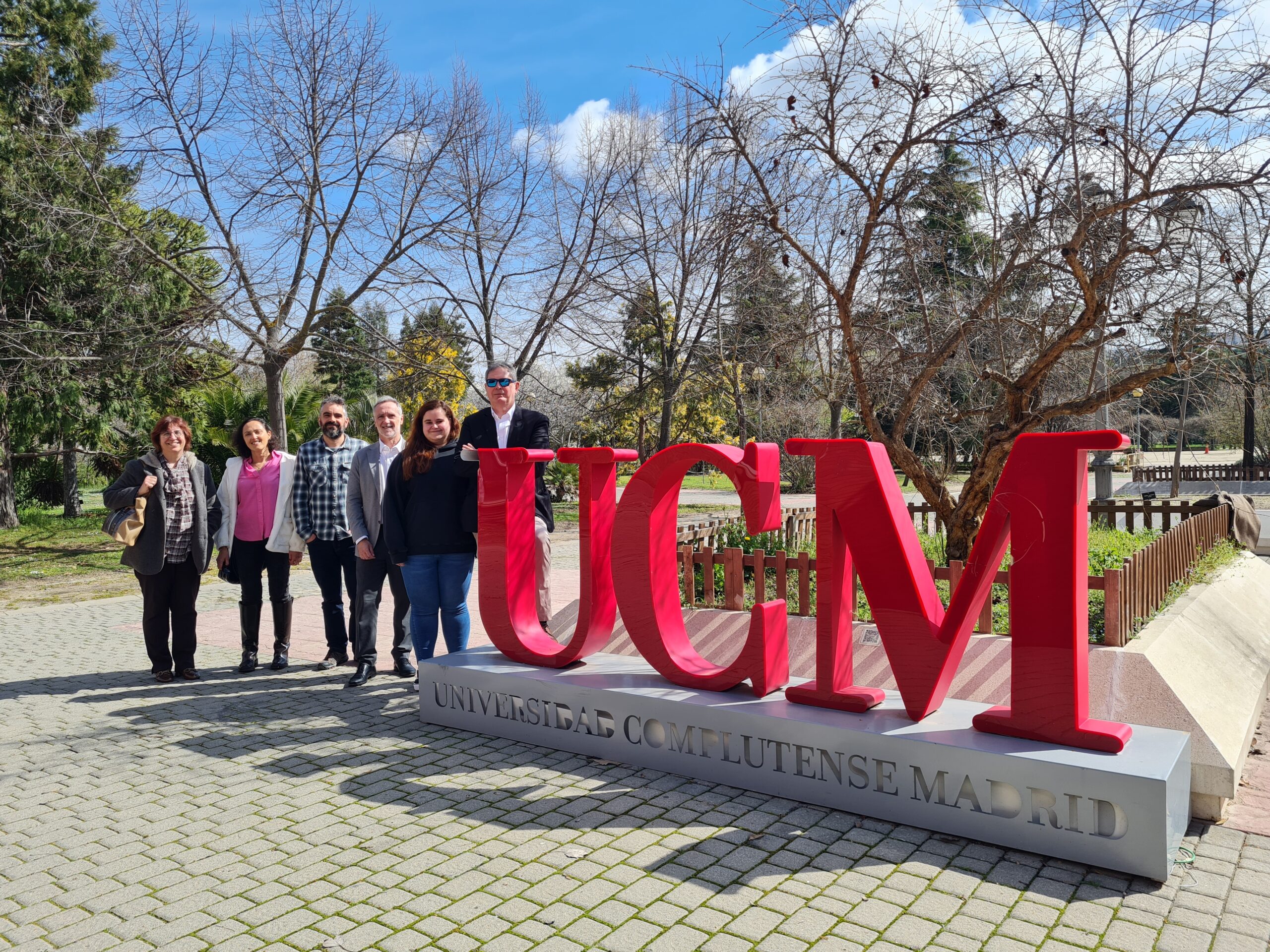
- The initiative reinforces the company’s commitment to a more resilient housing model, aligned with ESG criteria and based on scientific rigour and knowledge transfer.
Madrid, 17 March 2026. Metrovacesa has taken a step forward in its sustainability strategy with the development of an innovative technical guide aimed at integrating biodiversity into the design of residential environments. The work, carried out in collaboration with a team of experts from the Complutense University of Madrid, enables the incorporation of native vegetation adapted to the climate and soil conditions of Spain’s twelve biogeographical regions from the initial design stages of developments.
This initiative places Metrovacesa at the forefront of sustainable urban design by making biodiversity a structural element of the residential project, rather than merely a landscape feature. The aim is to move towards developments that are more resilient, more efficient in their use of resources, and fully integrated into their natural surroundings.
The project has been developed by a multidisciplinary team from the Complutense University of Madrid, comprising specialists in botany, soil science and zoology, belonging to the Fitosolum and ENVIROVEG research groups. This scientific backing, managed by the UCM’s Knowledge Transfer Office, has enabled the development of a robust, rigorous tool that is fully applicable to the design of green spaces in urban environments.
The guide helps Metrovacesa’s architecture and landscape teams to select plant species with high ecological value, low water requirements and a strong ability to adapt to the climatic and soil conditions of each area.
The incorporation of native vegetation into the urban environment helps to mitigate the urban heat island effect, improve air quality, promote natural rainwater management and create healthier, more liveable spaces. It also promotes the conservation of local wildlife and ecological connectivity between urban and peri-urban areas.
As a result of this work, Metrovacesa has a digital tool containing over a thousand species classified by biogeographical region and bioclimatic zone. Each entry includes relevant technical information, such as the species’ protection status, endemism, growth habit, water requirements, minimum substrate depth and availability in nurseries, which facilitates their practical implementation in residential projects.
The initiative enables the landscape design of developments to be aligned with the principles of the European Taxonomy and the main sustainability certification schemes, such as VERDE, BREEAM or LEED, thereby reinforcing the technical, environmental and economic viability of the developments.
“With this project, we are taking another step forward in our understanding of landscaping, not merely as an aesthetic element, but as an effective tool for the conservation and promotion of urban biodiversity,” says David Sierra Lluch, Director of Projects and Sustainability at Metrovacesa. “The collaboration with the Complutense University of Madrid has been key to providing the necessary scientific rigour and ensuring its practical application in our projects.”
“This project exemplifies how knowledge transfer enables university research to have a direct impact on the design of more resilient and sustainable cities,” says Anuncia Fuertes, from the Complutense University of Madrid. “The collaboration demonstrates the value of integrating scientific rigour into urban planning decisions.”
The initiative forms part of Metrovacesa’s ESG Plan, which guides the development of its projects through a comprehensive approach to environmental sustainability, resource efficiency and people’s well-being, consolidating a model of responsible growth aligned with the climate and environmental challenges of the future; and, at the same time, reinforces the Complutense University of Madrid’s commitment to knowledge transfer and the practical application of research to today’s major environmental challenges.
Related articles


Discover your new home with MiA
We have launched our virtual agent to help you find the property you are looking for.
Ask MiA and get personalized recommendations to find your dream home. Try it now!
