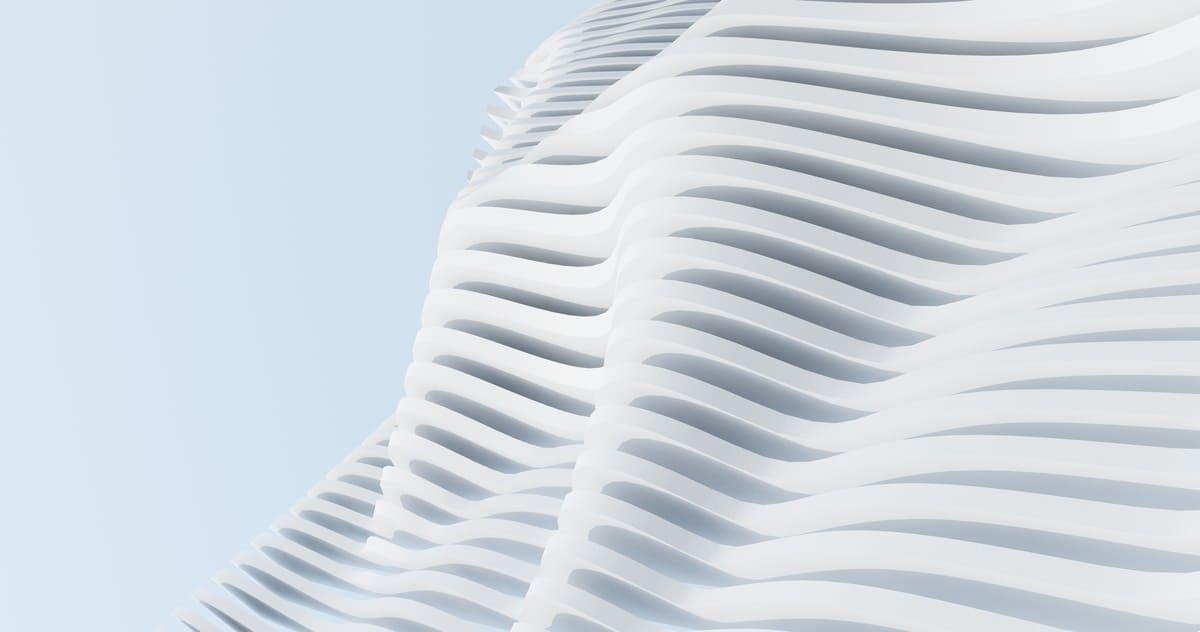
Parametric architecture is revolutionizing the way we design and construct buildings. It’s a design approach driven by algorithms, enabling architects to explore complex geometries and create innovative, efficient, and sustainable structures.
In this article, you’ll delve into the world of parametric architecture, exploring its definition, characteristics, applications, and future impact on the built environment. As interest grows in innovative and sustainable architectural approaches, understanding parametric design becomes ever more crucial.
What is parametric architecture?
Parametric architecture is a design method that utilizes relationships between elements to manipulate and inform the design of complex geometries and structures. Rather than designing a building manually, architects define parameters and rules that a computer uses to generate design options. These parameters can include anything from site conditions and environmental factors to material properties and structural requirements.
The beauty of parametric architecture lies in its ability to quickly generate and evaluate multiple design options, allowing architects to optimize designs for specific performance criteria. This approach is particularly useful for creating complex and unconventional forms that would be difficult or impossible to design using traditional methods. In essence, it’s about using algorithms to unlock new possibilities in architectural design through a truly parametric workflow.
Characteristics of parametric architecture
Parametric architecture is defined by a number of distinctive characteristics that set it apart from traditional design approaches. These include:
- Algorithmic Design: Designs are generated using algorithms and parametric models.
- Complex Geometries: Ability to create intricate and non-standard shapes.
- Data-Driven: Designs informed by data inputs such as environmental factors or material properties.
- Iterative Process: Designs evolve through multiple iterations based on performance feedback.
- Customization: Ability to easily adapt designs to specific requirements and contexts.
- Integration: Seamless integration of design, analysis, and fabrication processes.
- Optimization: Designs are optimized for performance criteria such as energy efficiency or structural stability.
These parametric architecture characteristics allow architects to push the boundaries of design and create buildings that are both visually stunning and highly functional. Just as you embrace materiales sostenibles en la construcción to reduce your environmental footprint, you can leverage parametric architecture to optimize building performance and resource utilization.
How to apply parametric design?
Applying parametric design involves a multi-step process that requires both architectural expertise and computational skills. Here’s a breakdown of the key steps:
- Define Design Goals: Clearly define the objectives of the design, such as maximizing natural light or minimizing energy consumption.
- Identify Parameters: Determine the key parameters that will influence the design, such as site constraints, material properties, and structural requirements.
- Create a Parametric Model: Develop a digital model that incorporates the identified parameters and their relationships. This is often done using specialized software like Rhinoceros 3D with Grasshopper, or Autodesk Revit with Dynamo.
- Set up Algorithms: Define the algorithms and rules that will govern how the design evolves based on the parameters.
- Generate Design Options: Use the parametric model to generate multiple design options by varying the input parameters.
- Evaluate Performance: Analyze the performance of each design option based on the defined goals. This may involve simulations for energy efficiency, structural analysis, or other relevant metrics.
- Iterate and Optimize: Refine the parametric model and algorithms based on the performance feedback, and generate new design options until the desired performance criteria are met.
This iterative process allows you to explore a wide range of design possibilities and optimize designs for specific performance criteria. As you strive for greater sustainability in the built environment, integrating parametric design with concepts like arquitectura sostenible becomes crucial.
Future of parametric architecture
The future of parametric architecture is incredibly promising, with the potential to transform the way we design, construct, and interact with buildings. Here are some key trends and developments to watch out for:
- AI Integration: Artificial intelligence and machine learning are being integrated into parametric design workflows, allowing for even more sophisticated optimization and automation.
- Robotic Fabrication: Robots are being used to fabricate and assemble complex parametric designs, enabling the construction of structures that were previously impossible to build.
- Sustainable Design: Parametric design is being used to create more sustainable buildings by optimizing energy efficiency, reducing material waste, and incorporating renewable energy sources.
- Personalized Architecture: is enabling the creation of personalized parametric buildings that are tailored to the specific needs and preferences of their occupants.
- Smart Buildings: is being used to integrate smart technologies into buildings, allowing them to adapt to changing conditions and optimize performance in real time.
- Advanced Materials: The combination of parametric design with advanced materials is opening up new possibilities for creating lightweight, strong, and sustainable structures.
These trends suggest that parametric architecture will play an increasingly important role in shaping the built environment of the future. By embracing these new technologies and approaches, you can create buildings that are not only visually stunning but also highly functional, sustainable, and responsive to the needs of their occupants.
Other works of parametric architecture
Numerous examples of parametric architecture demonstrate its potential to create innovative and impactful designs. Here are a few notable works:
- Heydar Aliyev Center (Baku, Azerbaijan): Designed by Zaha Hadid Architects, this iconic building features fluid, sweeping curves and a complex geometry that was made possible by parametric design tools.
- Walt Disney Concert Hall (Los Angeles, USA): Designed by Frank Gehry, this concert hall features a distinctive stainless steel exterior with complex curves and angles that were generated using parametric models.
- The Sage Gateshead (Gateshead, UK): Designed by Foster + Partners, this performing arts center features a distinctive curved roof that was optimized for acoustics and structural performance using parametric design techniques.
- Beijing National Stadium (Beijing, China): Also known as the “Bird’s Nest,” this stadium was designed using parametric models to create its complex and visually striking structure.
- Kunsthaus Graz (Graz, Austria): This contemporary art museum, designed by Peter Cook and Colin Fournier, features a biomorphic form and a skin that responds to environmental conditions, both made possible through parametric modeling.
The parametric facade of these buildings is often the most striking feature, showcasing the complex geometries and intricate details that are possible with this design approach. Understanding what is parametric architecture is key to appreciating the innovation and creativity behind these remarkable structures. Exploring parametric architecture characteristics further illuminates the potential of this transformative approach.
Parametric architecture is a powerful and transformative design approach that is revolutionizing the way we create buildings. By leveraging algorithms, data, and advanced technologies, architects can create innovative, efficient, and sustainable structures that meet the evolving needs of society.
Related articles


Discover your new home with MiA
We have launched our virtual agent to help you find the property you are looking for.
Ask MiA and get personalized recommendations to find your dream home. Try it now!
